For most of the world a rocket launch is a trip: a drive, a parking lot, a crowd. On Florida's Atlantic barrier island north of the launch corridor, it is a household event. The cadence is the reason: the U.S. Space Force recorded a record 93 launches from the Cape Canaveral Eastern Range in 2024, the busiest spaceport in the world that year 1. At that rate, a launch is not a rare spectacle to travel for; it is a recurring feature of life at the address, which makes the question of whether a specific residence is actually built to see one worth taking seriously.
Why the barrier island is the seat
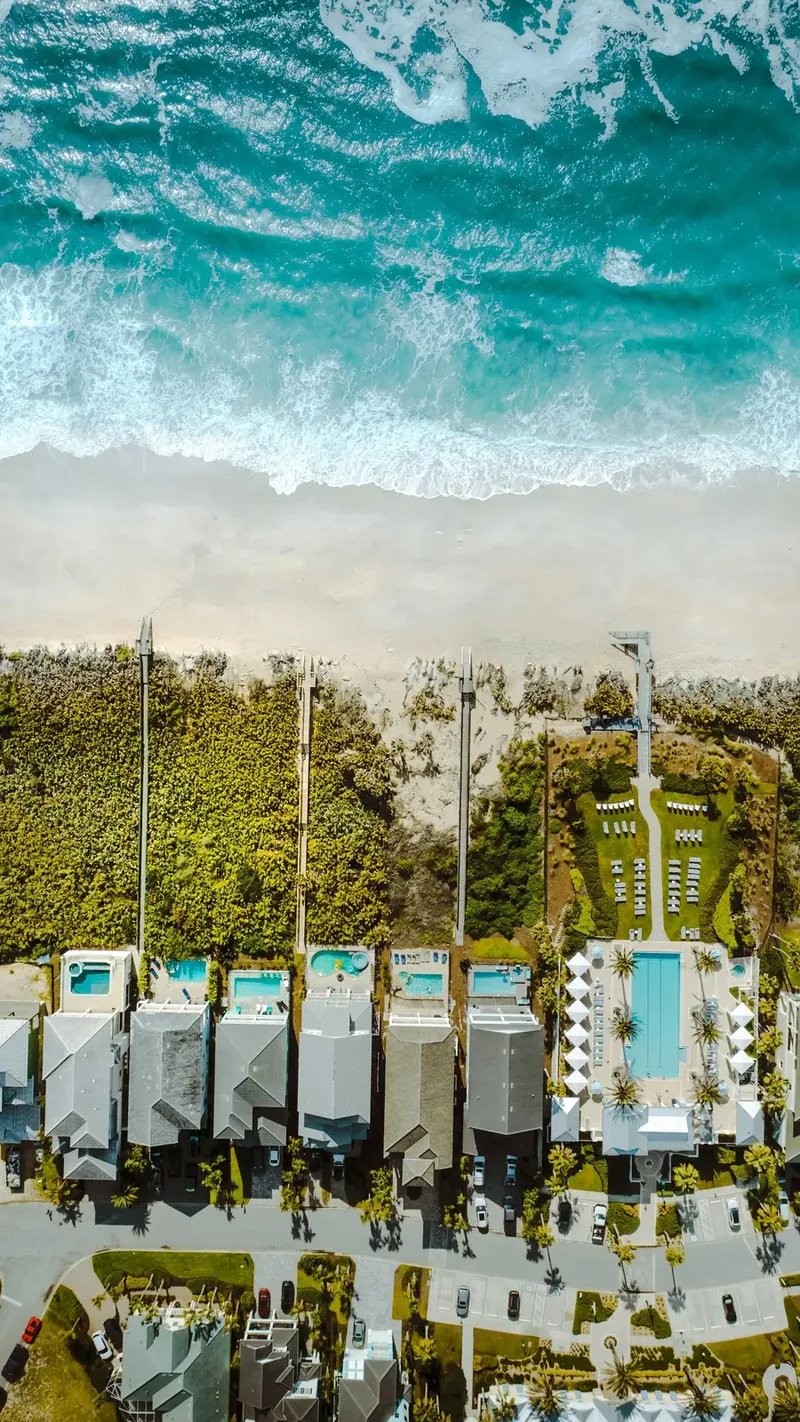
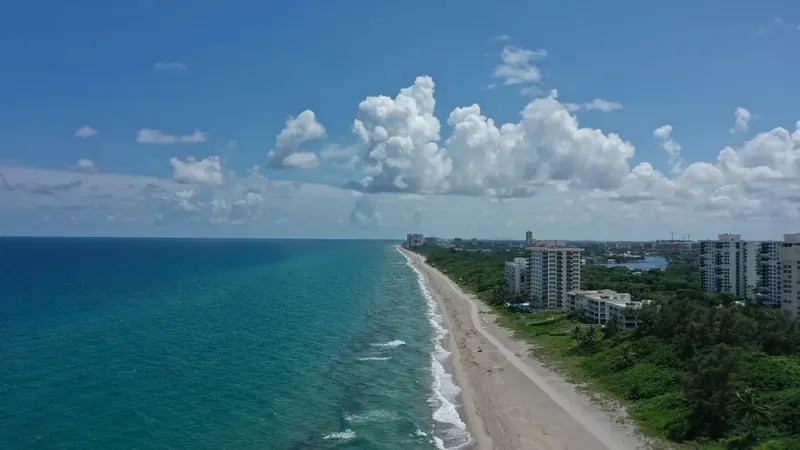
The launch pads sit at the north end of the same barrier-island chain that runs south through the Space Coast and into the Treasure Coast. That geography is the whole advantage: an oceanfront residence faces open water and open sky in the exact direction the vehicles climb. There is no skyline in the way, no inland tree line: just the Atlantic horizon and the ascent above it. It is the reason a launch reads so differently from an oceanfront terrace than it does from a mainland backyard.
What makes a residence a viewing venue
Not every oceanfront house is a good launch-viewing house, and the difference is architectural, not locational. A handful of features do the work:
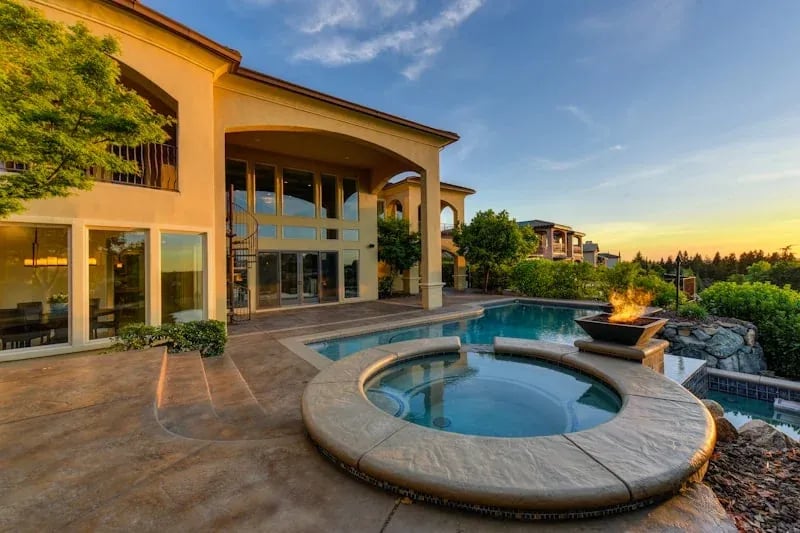
- Elevation. A second-story owner's porch, a rooftop or widow's-walk deck, or an elevated pool terrace lifts the sightline above the dune vegetation and gives an uninterrupted read of the horizon and the climb above it.
- Orientation and sightline. A north-and-east exposure with the principal outdoor rooms facing the water puts the launch corridor directly in view rather than around a corner.
- A dedicated crossover. A private dune crossover from the property to the shoreline means the best seat in the house is also a seat on the sand: no crowd, no gate, no drive.
- Gathering space that holds a crowd. The launches worth hosting for are social; a covered lanai or terrace sized for guests turns a two-minute event into an evening.
These are the same features that make an oceanfront estate a good entertaining house generally, which is the point. Launch viewing is not a novelty bolt-on; it is a natural dividend of the architecture that already makes a trophy waterfront residence what it is.
A note on timing
Launch schedules move. Weather, technical holds, and range availability all shift a window, sometimes by minutes and sometimes by days. Residents learn to treat a scheduled launch as a likely event rather than a fixed one, and the ones who host for them keep the plans loose. It is a small discipline, and an easy one to acquire when the venue is your own terrace.
For the practical, homeowner-level side of this (best public sightlines, the mechanics of when and where to watch across the broader Space Coast), MaxxCity Homes' Space Coast launch-viewing guide is the general-market companion. This piece is about the narrower question a buyer at the estate tier is really asking: does this specific residence, on this specific lot, actually put the corridor in front of you.
“The features that make an oceanfront estate a launch-viewing venue are the same ones that make it a great house. The launch is the dividend.”
If a clear line to the launch corridor is on your list, it is worth walking a candidate property's terraces and rooflines with that sightline specifically in mind. We are glad to do exactly that.