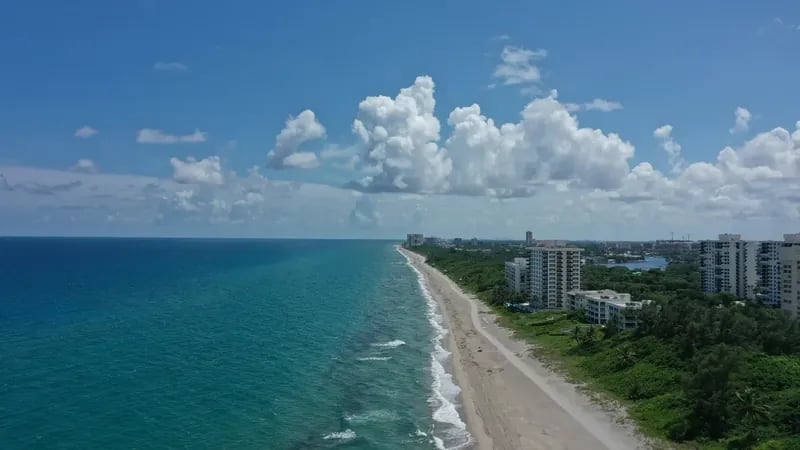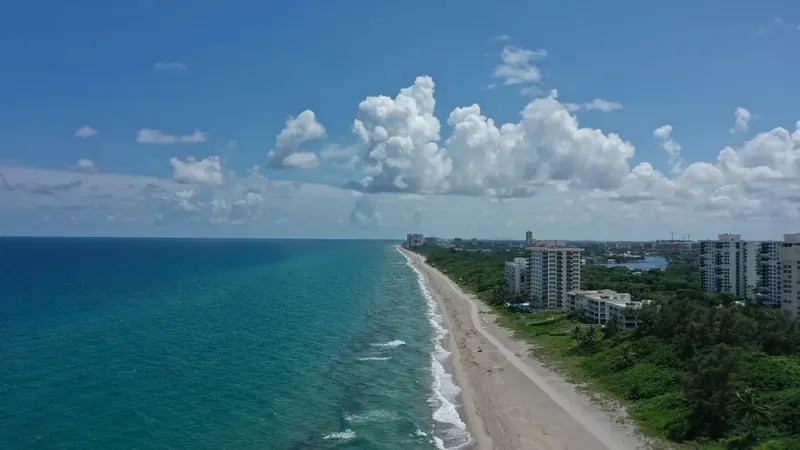
Cocoa Beach is one of the Space Coast's principal beach towns, and an unusually active one. It sits on the Canaveral barrier island, with Cape Canaveral Space Force Station and the Kennedy Space Center complex just to the north, proximity that has shaped the local culture into something genuinely unusual: a beach town where the workforce includes aerospace engineers, the surf community has multi-generational roots, and the sky's most photographed object is a launch contrail.
For buyers approaching Cocoa Beach as a residential address rather than a vacation destination, the relevant frame is the town's distinctly active, walkable energy, and whether that energy is a feature or a distraction for the way you want to live.
The market
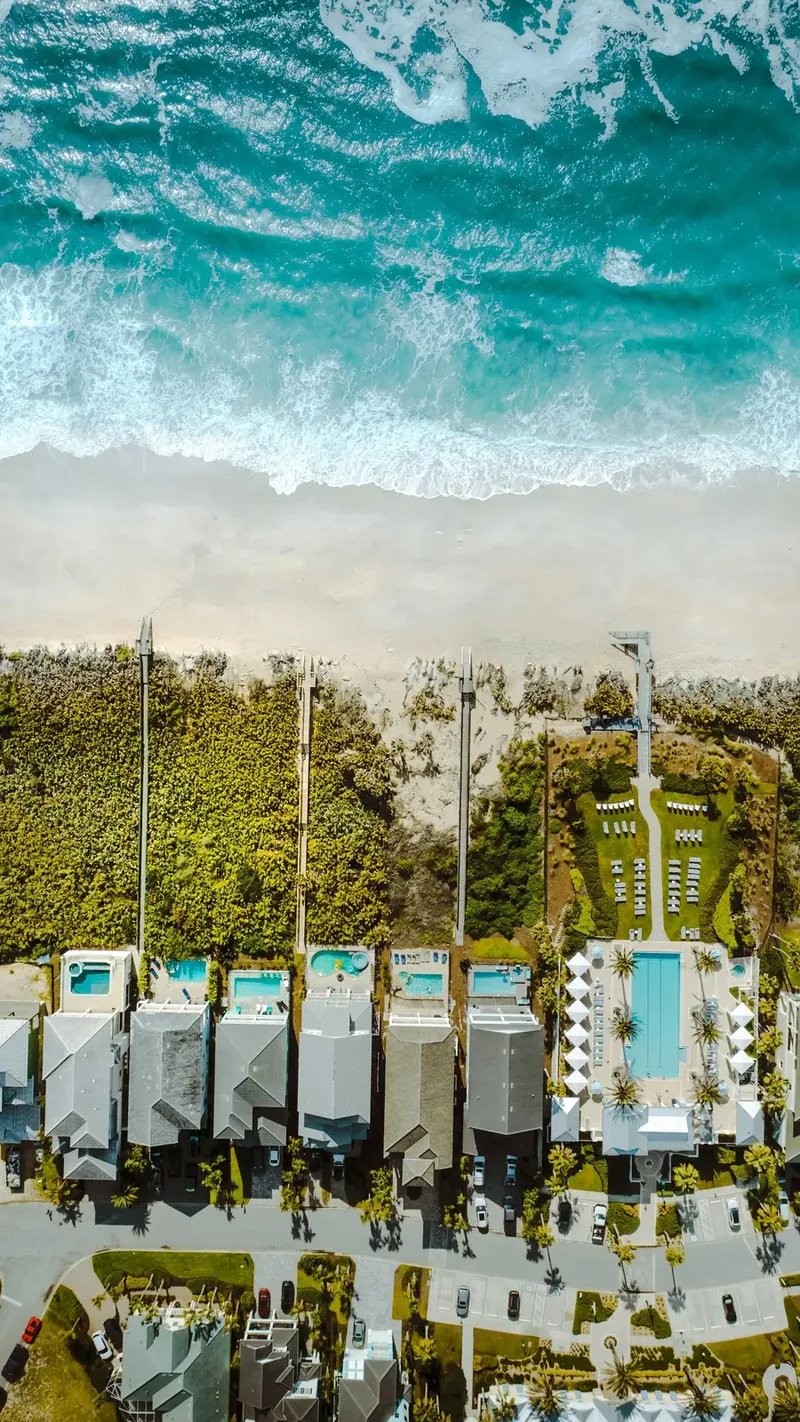
Cocoa Beach's residential inventory organizes across three principal categories. Direct-oceanfront single-family is the smallest and most expensive: a relatively narrow inventory along A1A north of the central commercial strip and south toward Patrick Space Force Base. Oceanfront condominiums are the larger and more liquid inventory, spread across mid-rise and high-rise buildings of varying vintages and quality. Riverfront single-family sits on the Banana River side, with private docks accommodating modest cruising boats and access to the Intracoastal. For a market anchor, public data puts the Cocoa Beach median sale price in the mid-$500Ks 3; the tier ranges below are broker observation from current and recent inventory, not a published index.
- Direct-oceanfront single-family: roughly $1.5M–$4M for the better-considered lots and renovations (broker observation).
- Oceanfront condominiums: roughly $400K–$2M depending on building, view, and renovation (broker observation).
- Riverfront single-family (Banana River): roughly $700K–$2.5M with dock and Intracoastal access (broker observation).
Lot quality and architectural depth on the single-family side can be variable. Newer construction meets a more current building code; the older inventory rewards careful inspection and a realistic renovation budget.
What the town is for
Cocoa Beach's culture is the active barrier-island culture. Surf shops are commercial fixtures, not boutique nostalgia; the restaurants run to independent ownership and walk-up casual; the social calendar revolves around the beach, the river, and the boardwalk. The walkability (beach, restaurants, retail, and home, frequently within fifteen minutes on foot) is real, and is one of the distinguishing features of the address.
Proximity to the Space Coast's launch facilities is the other distinguishing feature, in two practical senses. The aerospace workforce is a meaningful part of local year-round residential demand. And the launch cadence is a daily, visible piece of life on this stretch of coast: the Eastern Range set a record 93 launches in 2024 1, and that pace remains impressive even to long-time residents.
Access
- Melbourne Orlando International Airport (MLB) is approximately thirty minutes south for both general aviation and growing commercial direct service.
- Orlando International (MCO) is approximately fifty minutes west for primary commercial connections.
- Port Canaveral, immediately to the north, is the busiest cruise port in the world [2]: practical context if you cruise; ambient context otherwise.
Where it fits
Cocoa Beach is the right address for a buyer who values walkable, active beach-town culture; for whom the surf, the launch cadence, or the aerospace workforce orbit are positive features rather than ambient distractions. For buyers who want a residence that participates in a particular, distinctive coastal Florida culture, Cocoa Beach is a strong fit.
Cocoa Beach rewards a residential trial run more than a single weekend visit. We can usually point buyers toward the right address inside the address: the streets, buildings, and exposures that fit the way they actually want to live here.